

Cleft Rhinoplasty
What is a Cleft Rhinoplasty?
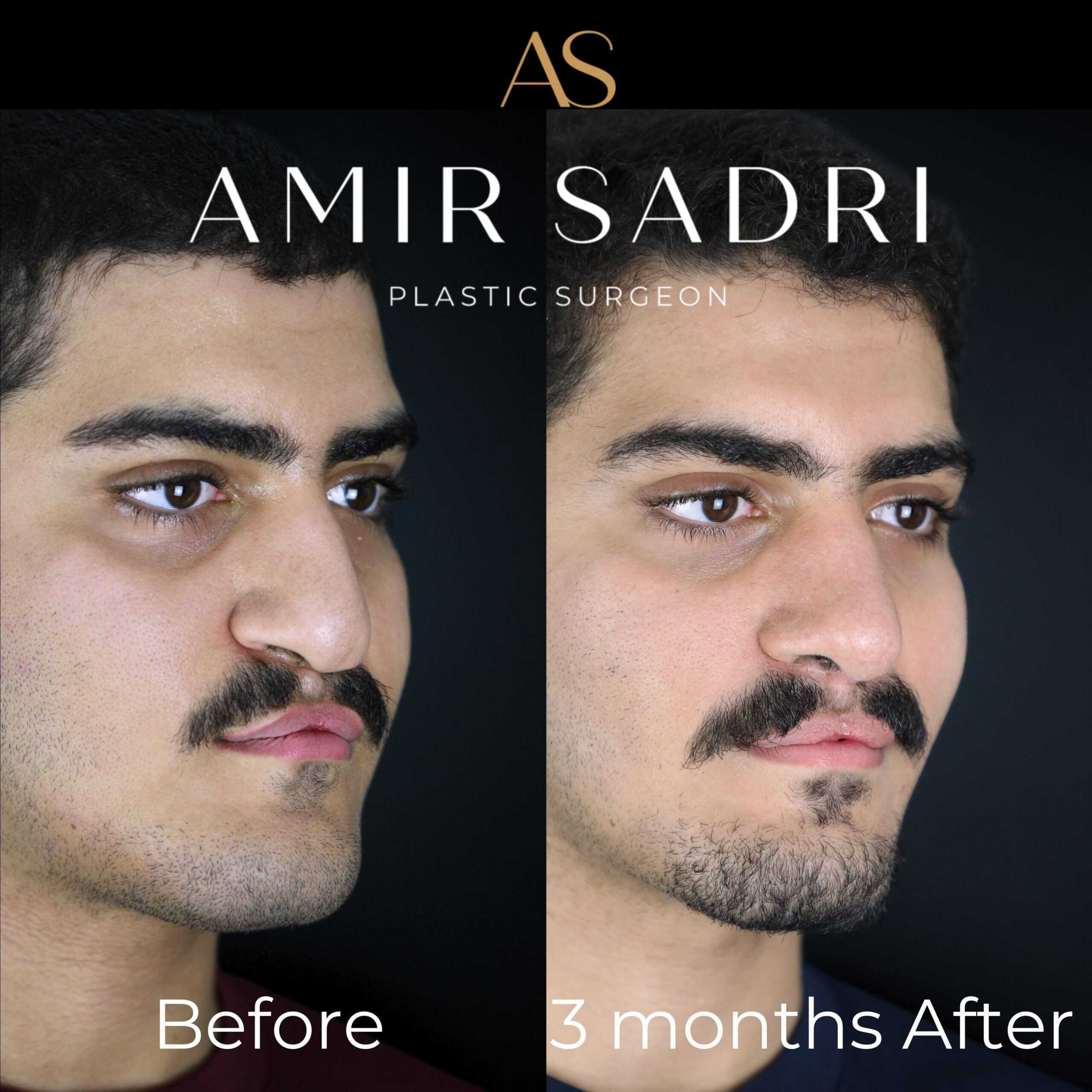
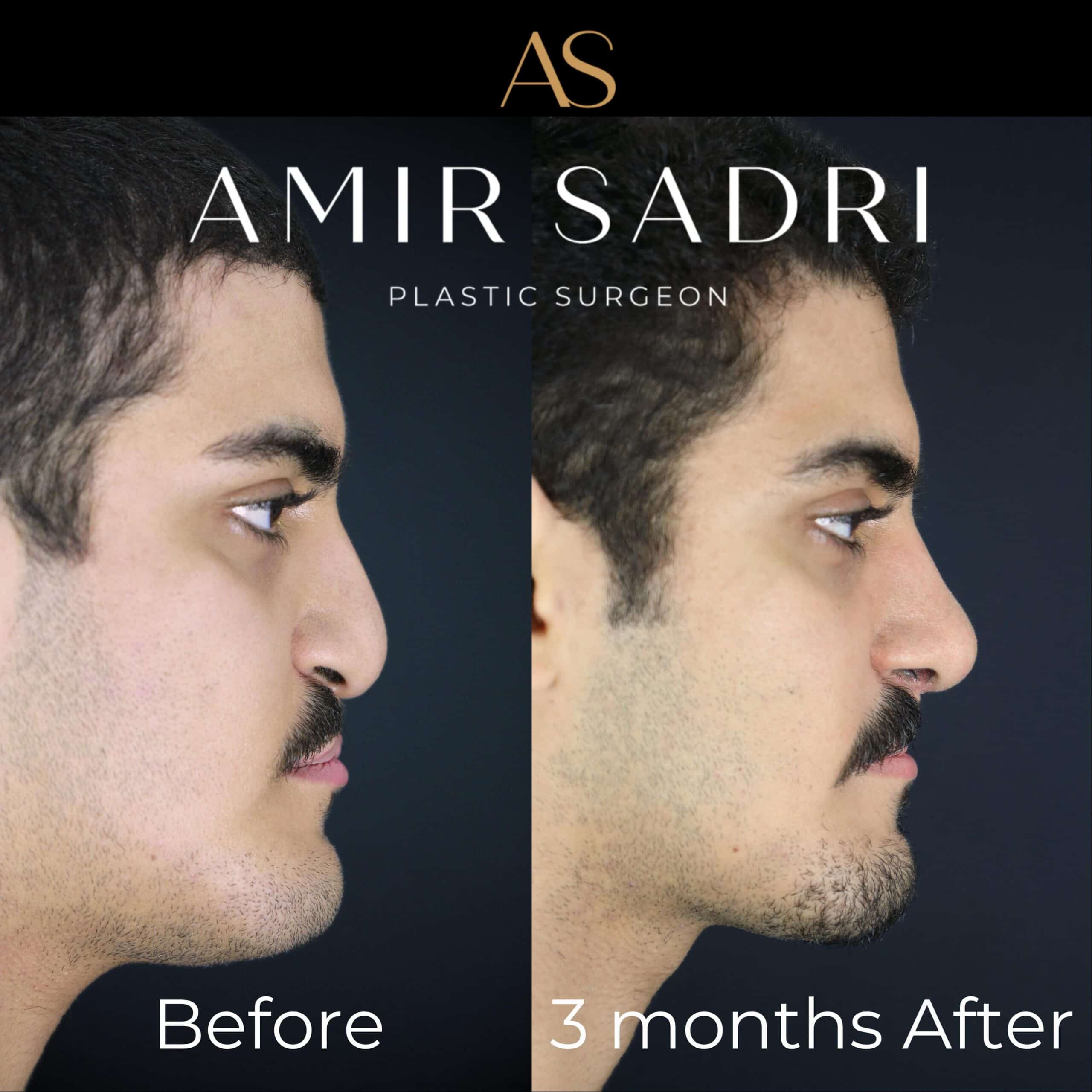
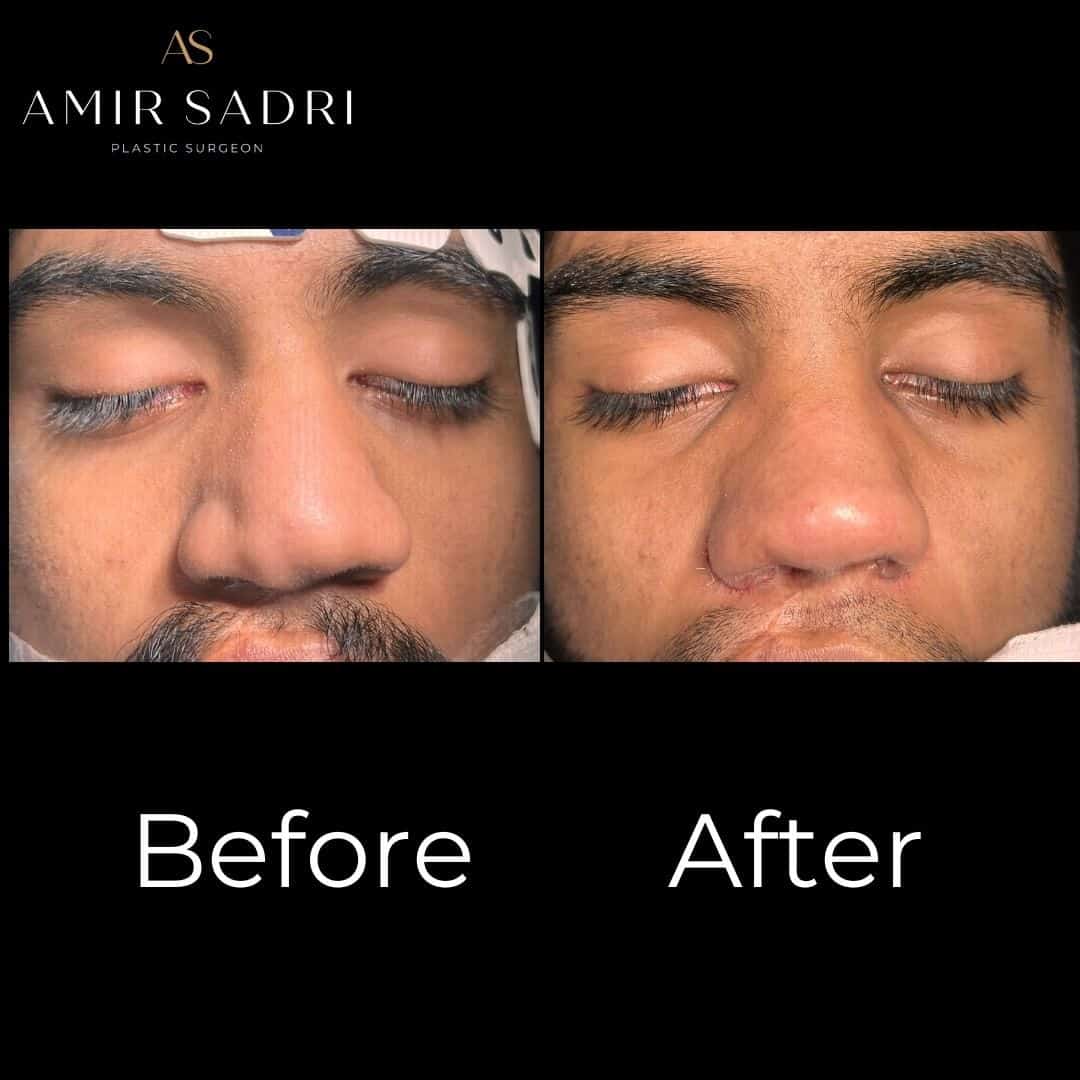
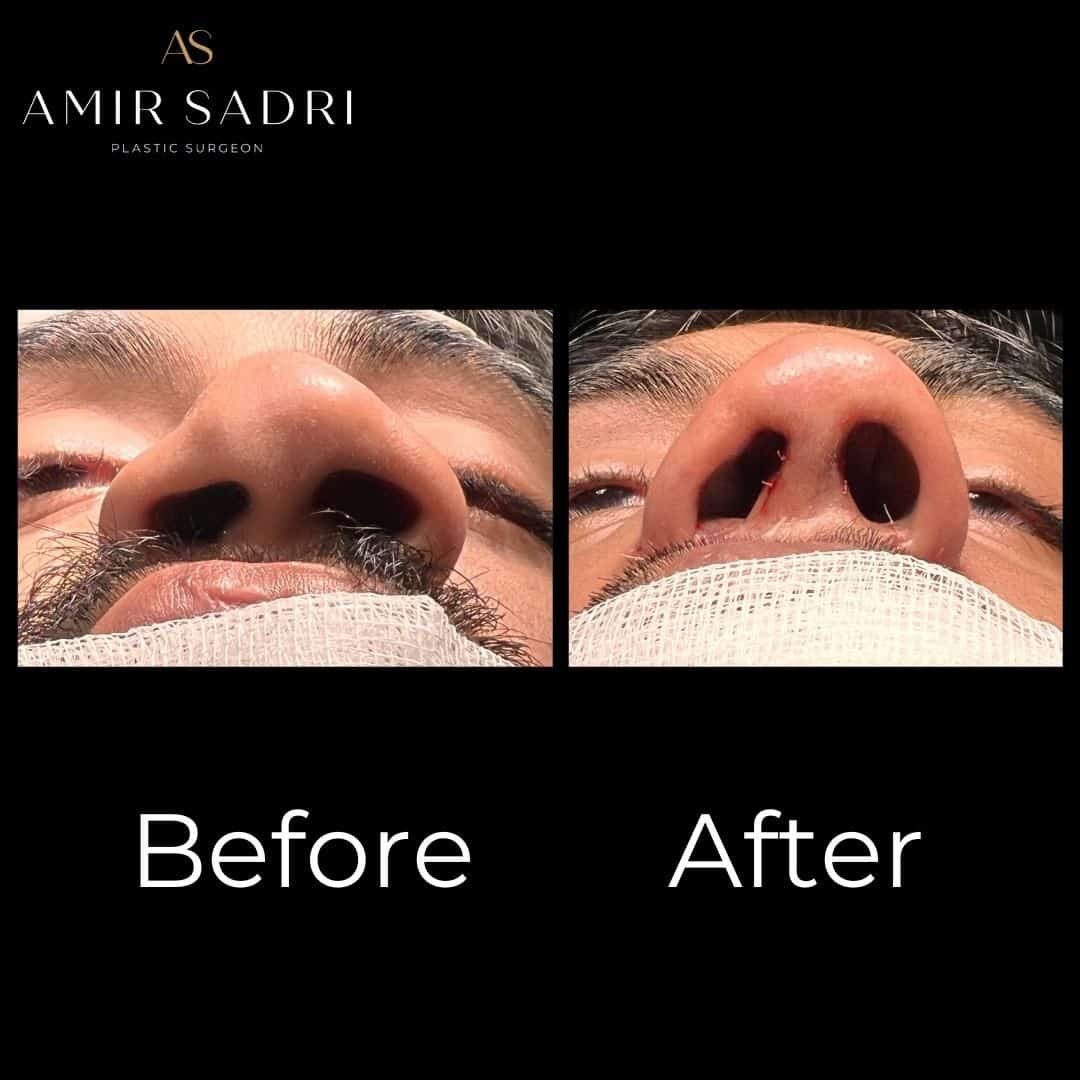
Cleft rhinoplasty is a specialised procedure designed to improve the shape, symmetry and function of the nose in patients born with a cleft lip and/or palate. Because cleft anatomy can affect the cartilage, bone and nasal airway, the approach is carefully tailored to each individual.
The surgery may involve reshaping the nasal cartilages, correcting septal deviation and refining the nasal tip and nostrils to create a more balances apperance. Where needed, cleft rhinoplasty can also address breathing difficulties by improving nasal airflow.
During consultation in our London practice, your assessment will focus on anatomy, breathing and the changes that best suit your face.
What are the benefits of Cleft Rhinoplasty?
The benefits of cleft rhinoplasty can be both functional and aesthetic. Here are some of the potential benefits:
-
Improved nasal symmetry and overall balance
-
Better structural support of the nose (where needed)
-
Improvement in nasal airflow and breathing
-
Refinement of tip shape, bridge width and nostril asymmetry (depending on anatomy)
-
Increased confidence for many patients
-
Better day-to-day comfort and quality of life for some patients
Benefits vary between patients and depend on cleft anatomy and previous surgery.
Online Consulting
Arrange a 15-minute call to discuss Cleft Rhinoplasty.
Dr Amir Sadri – Cleft Rhinoplasty Specialist in London

Cleft rhinoplasty is planned around your individual anatomy, scar pattern and goals, with a focus on improving symmetry, support and (where needed) breathing. Dr Amir Sadri is a London Consultant Plastic Surgeon with experience in reconstructive and facial aesthetic surgery, including cleft-related nasal concerns. Alongside his private plastic surgery clinic, he is currently involved in the reconstruction of children with cleft lip and palate at Great Ormond Street Hospital. He is widely published with 40+ peer reviewed papers and has presented work internationally, including in Europe and the USA.
- Consultant Plastic Surgeon at Great Ormond Street Hospital
- FRCS (Plst) Qualified
- Specialist Interest in Rhinoplasty & Facial Surgery
- 15+ Years’ Experience
-
Personalised assessment
- Treatment plan tailored to cleft anatomy and previous surgery
- Focus on natural balance and long-term support
- Clear guidance on recovery and follow-up
FAQs
What is a cleft lip nasal deformity?
People born with a cleft lip and/or palate can have differences in nasal shape and symmetry because the cartilage, bone and soft tissues develop differently during pregnancy.
Why can nasal changes persist after cleft lip repair?
Early repair can improve lip and nasal shape, but as the face grows, asymmetry or breathing issues may remain or become more noticeable in adolescence or adulthood.
What concerns can cleft rhinoplasty improve?
Depending on your anatomy, cleft rhinoplasty may improve nasal symmetry, tip support/projection, nostril shape, and sometimes airflow.
Does cleft rhinoplasty use cartilage grafts?
Sometimes. Grafts may be used to improve long-term structure and support. The source depends on what’s needed (often septum, sometimes ear, and occasionally rib).
Is cleft rhinoplasty more complex than standard rhinoplasty?
It can be more technically demanding because of asymmetry, scar tissue, and structural differences. That’s why careful planning and experience matter.
What results can I realistically expect?
The goal is meaningful improvement and better balance, not “perfect symmetry.” Your surgeon will explain what’s achievable for your specific anatomy.
Can cleft rhinoplasty be available on the NHS?
In the UK, some cleft-related nasal procedures may be available via NHS cleft services for eligible patients. Your GP or local cleft team can advise on referral routes.
Online Consultation
Arrange a 15-minute call to discuss our treatments and services.
Before & After Gallery