


Preservation Rhinoplasty LONDON
Preservation Rhinoplasty in London • Dr Amir Sadri • Consultant Plastic Surgeon • FRCS Plast
Preservation rhinoplasty keeps as much of your natural nasal framework as possible. It removes less cartilage and bone than standard techniques. London patients can see Dr Amir Sadri to discuss whether this surgery suits them.
what is Preservation Rhinoplasty?
Preservation rhinoplasty is a surgical approach to nose reshaping that aims to maintain and preserve as much of the patient’s natural nasal structure as possible. As part of Dr Amir Sadri’s rhinoplasty in london practice, the technique is designed to produce subtle, balanced and natural-looking results while avoiding unnecessary removal or reshaping of nasal cartilage and bone.

Why Choose Dr Amir Sadri
✓ GMC Specialist Register for Plastic Surgery
✓ FRCS (Plast) Qualified
✓ 15+ Years’ Experience
✓ Specialist interest in Rhinoplasty & Facial Surgery
✓ 40+ Peer-reviewed Publications

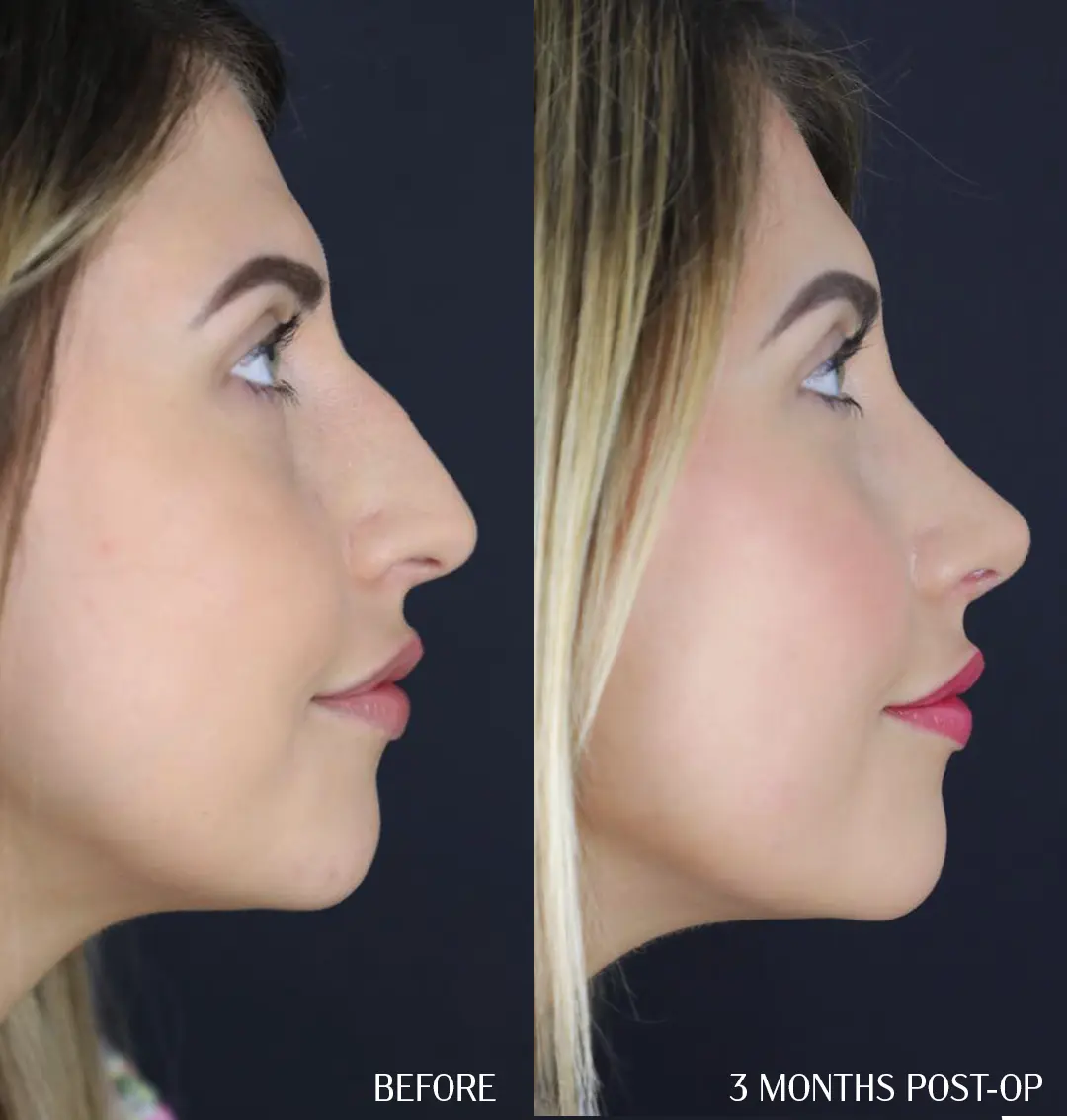
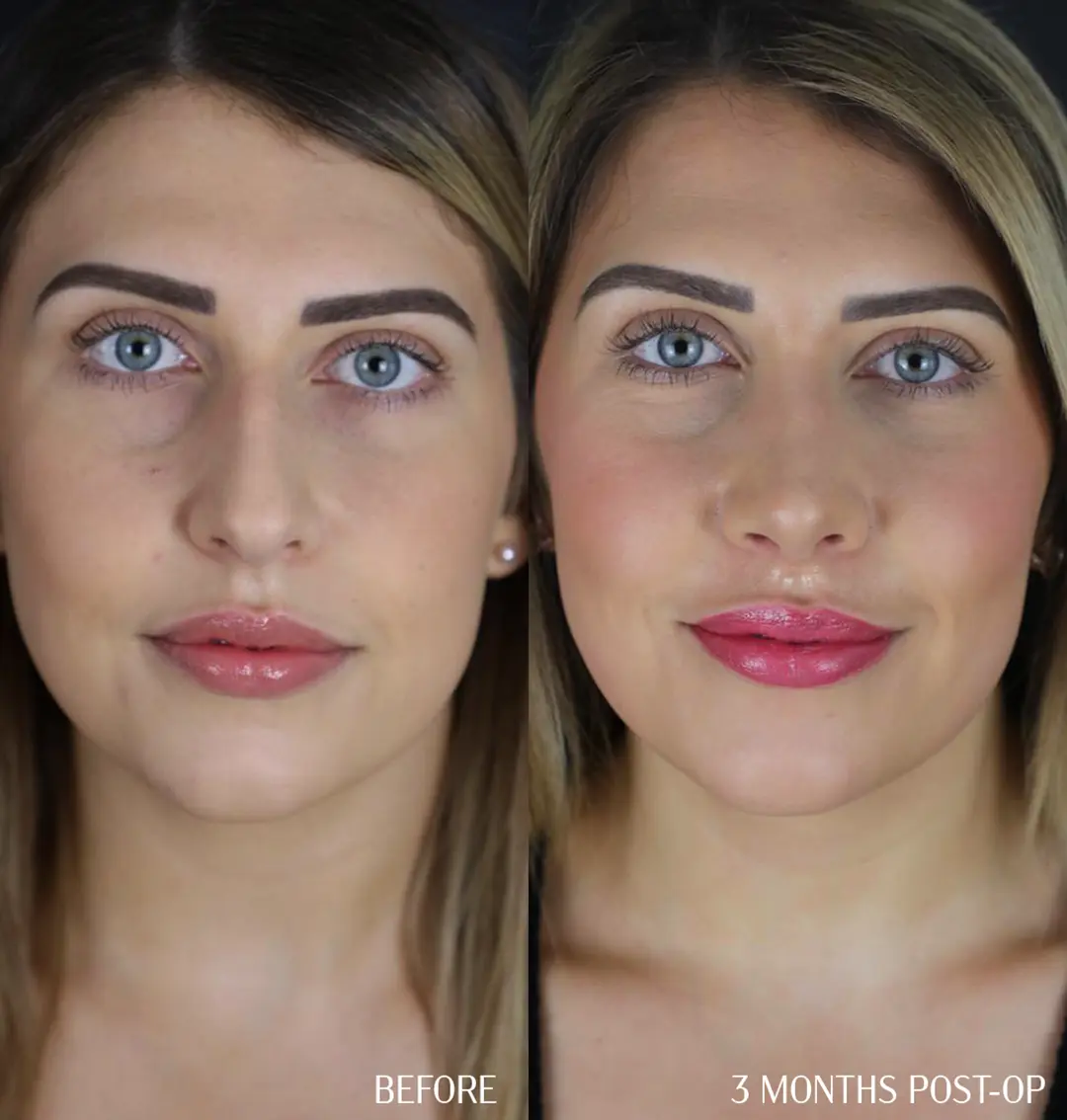
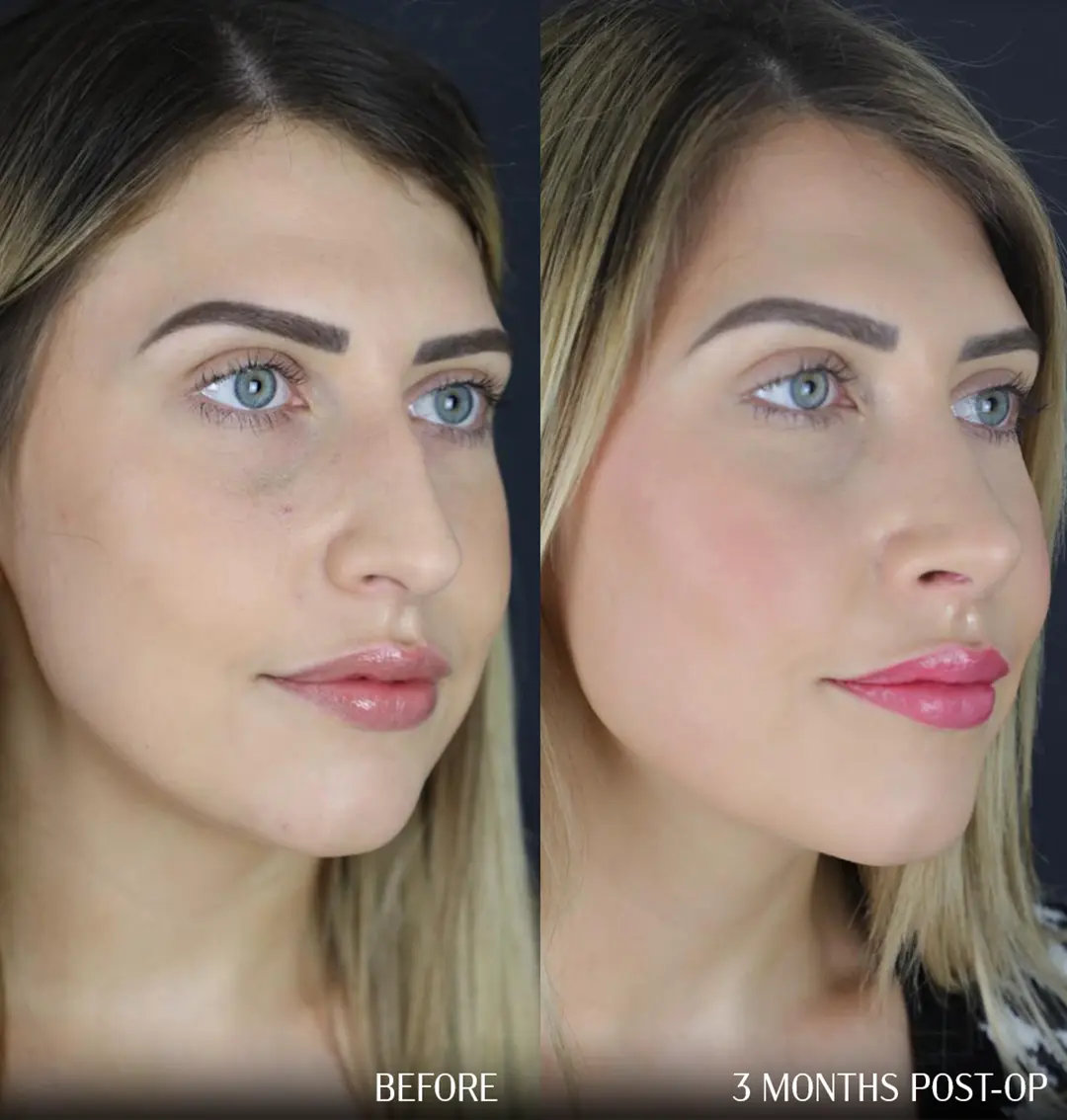
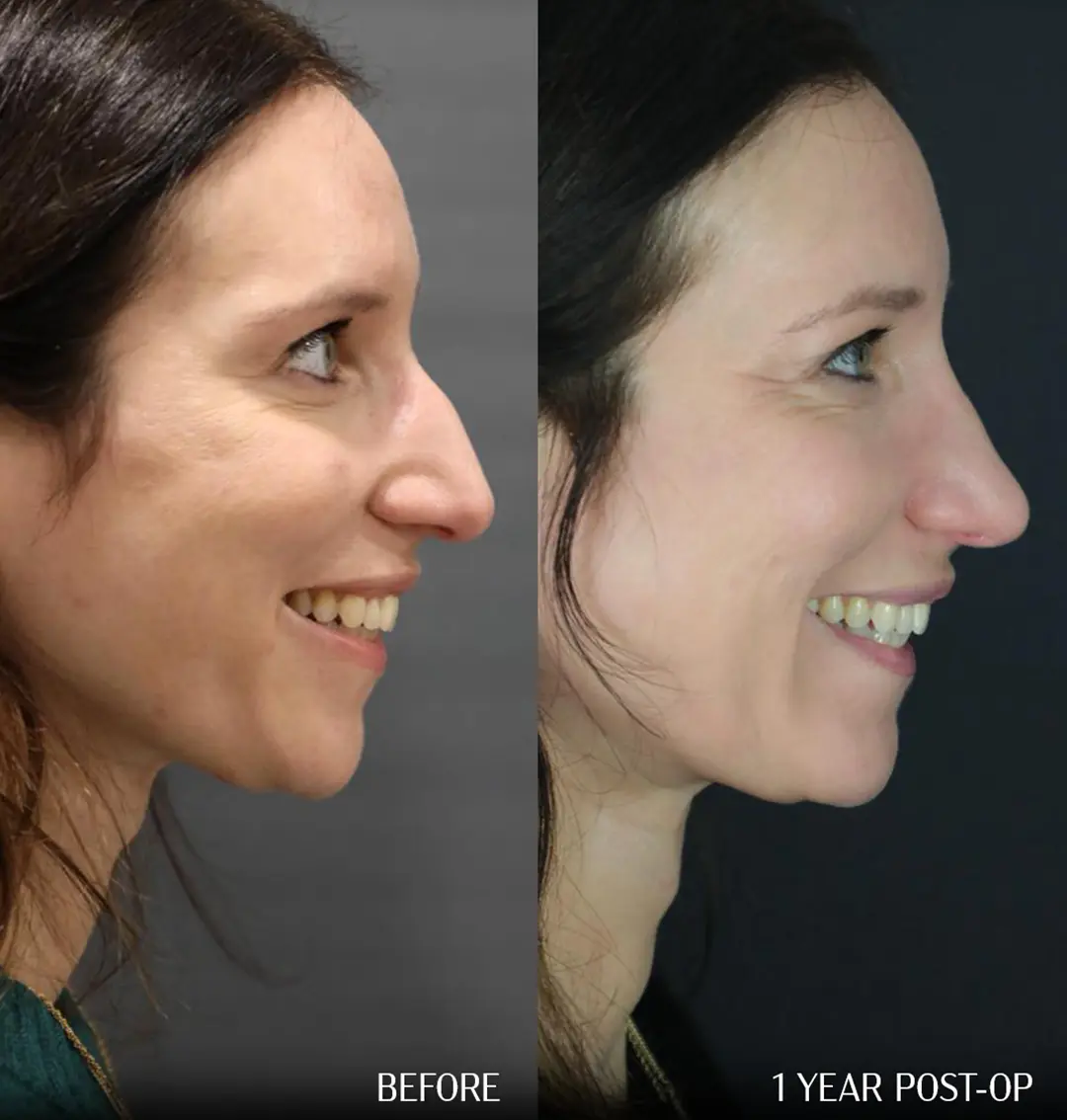
Before & After Preservation Rhinoplasty
View examples of preservation rhinoplasty results by Dr Amir Sadri. Results vary between patients and depend on anatomy, healing and individual treatment goals.
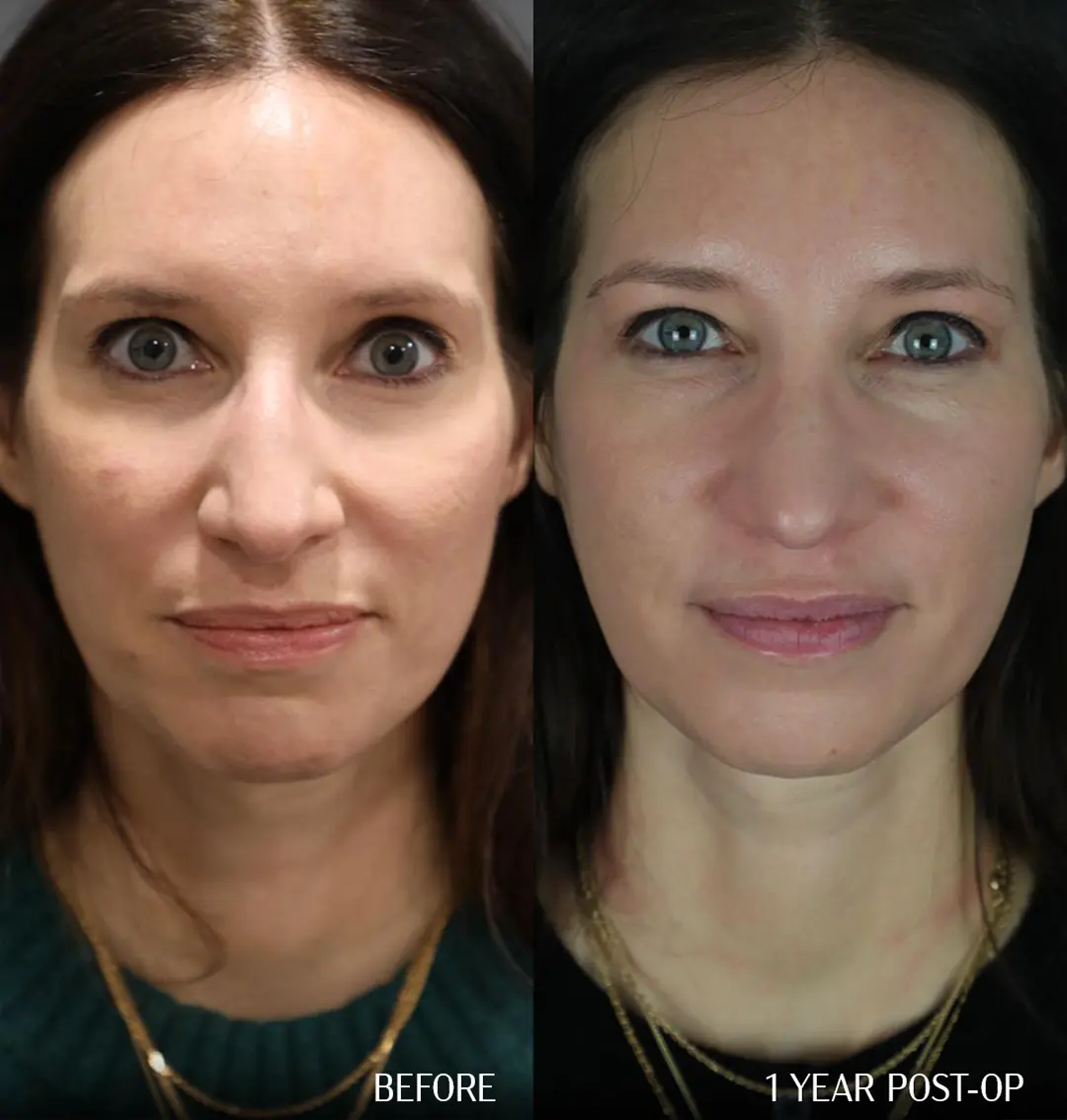
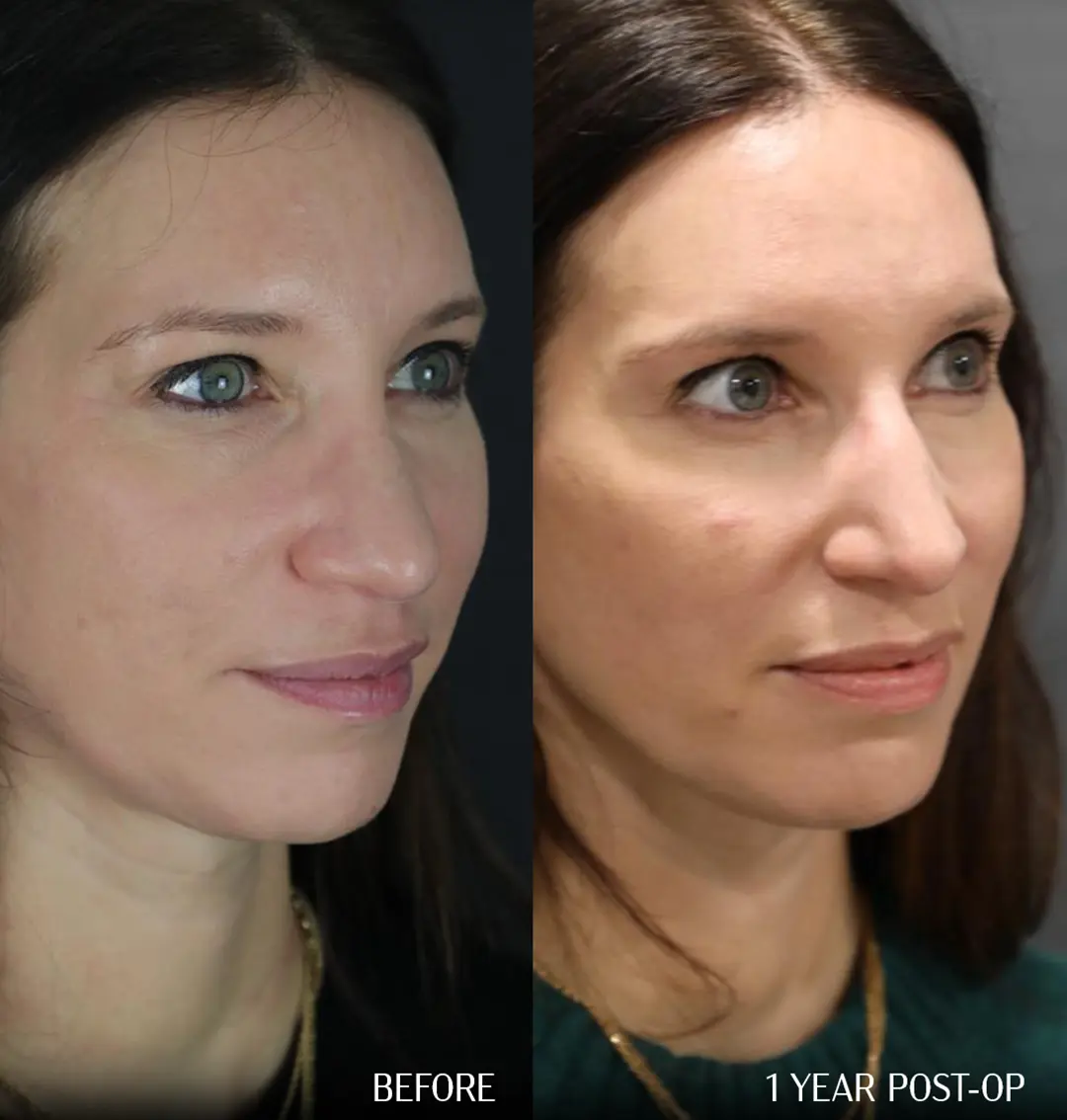
How is preservation rhinoplasty different from standard rhinoplasty?
Preservation rhinoplasty differs from standard rhinoplasty in several ways:
Preservation of nasal structures: The aim is to preserve as much of the patient’s natural nasal framework as possible, while still improving shape and balance.
Less structural removal: Compared with some traditional approaches, preservation rhinoplasty may involve less removal or reshaping of cartilage and bone.
Natural-looking results: By maintaining key nasal structures where appropriate, preservation rhinoplasty can help create a balanced result that suits the patient’s facial features.
Functional considerations: Careful assessment of nasal support and breathing is important, as every patient’s anatomy and goals are different.
Preservation rhinoplasty is not suitable for every patient. A consultation is needed to assess nasal anatomy, goals, breathing and whether this approach is appropriate.
Thinking about preservation rhinoplasty?
Arrange a consultation to discuss whether preservation rhinoplasty may be appropriate for your anatomy, goals and breathing.
Preservation Rhinoplasty Surgery
In preservation rhinoplasty, the surgeon carefully evaluates the patient’s nasal anatomy to determine the areas that require modification. The surgeon then works to reshape the existing nasal structures while avoiding unnecessary removal or alteration. This approach can result in a more stable, durable, and functional nose, with less risk of complications such as nasal collapse or breathing difficulties.
Who is an ideal candidate for preservation rhinoplasty?
Preservation rhinoplasty is often recommended for patients who want to improve the appearance of their nose while maintaining its natural shape and structure. It is also an excellent option for patients who have undergone previous nose surgery or trauma, as it can help restore the integrity of the nasal structures while improving the nose’s appearance.
Preservation Rhinoplasty Information
Learn more about preservation rhinoplasty consultation, surgery and recovery.
Preservation Rhinoplasty Consultation
During the consultation, we will evaluate your nasal anatomy, discuss the potential risks and benefits of preservation rhinoplasty, and recommend the best approach for achieving your desired results. We will also provide you with a detailed treatment plan, including information on the surgical technique, anaesthesia, recovery time, and post-operative care. To get started, fill in the contact form below and we will call you to discuss the first steps.
Preservation Rhinoplasty Surgery
During surgery
Preservation rhinoplasty surgery is performed using a less invasive technique that aims to preserve the patient’s natural nasal structures as much as possible. The specific details of the surgery will vary depending on the patient’s unique nasal anatomy and goals, but the following is a general overview of the procedure:
Anaesthesia
The patient will be given either general anaesthesia or local anaesthesia with sedation to ensure that they are comfortable and pain-free during the procedure.
Incisions
The surgeon will make small incisions either inside the nostrils or on the columella (the strip of tissue between the nostrils) to access the nasal structures.
Preservation of Nasal Structures
Unlike in standard rhinoplasty, where nasal cartilage and bone are removed or reshaped, in preservation rhinoplasty, the surgeon will carefully preserve the patient’s natural nasal structures as much as possible. This may involve reshaping and repositioning the existing structures rather than removing them.
Augmentation
If the patient desires additional volume or support in certain areas of the nose, the surgeon may use grafts of cartilage or other tissues to augment the nasal structures.
Closure
Once the desired changes have been made, the surgeon will carefully close the incisions using small sutures and apply a splint or cast to support and protect the nose as it heals.
The entire procedure typically takes two to three hours, depending on the complexity of the surgery. Patients can usually go home on the same day as the surgery and can expect to experience less swelling, bruising, and discomfort than with standard rhinoplasty.
Recovery after Preservation Rhinoplasty
Immediately following the surgery, you will need to wear a splint over your nose to help support and protect the nasal structures as they heal. You may also have some packing in your nostrils to control bleeding and help reduce swelling. Most patients experience some discomfort, swelling, and bruising in the first few days after surgery, but this can be managed with pain medications and cold compresses.
It is essential to keep your head elevated and avoid bending or lifting anything heavy for the first week or two after surgery to minimize swelling and pressure on the nasal structures. You should also avoid any activities that could increase your heart rate or blood pressure, such as exercise, for at least two to three weeks.
Your surgeon will schedule follow-up appointments to monitor your healing progress and remove any splints, stitches, or packing as needed. It is important to attend these appointments and to contact your surgeon if you experience any unusual symptoms, such as excessive bleeding, fever, or severe pain.
In general, most patients can return to work and resume light activities within a week or two after surgery, although it may take several months for the final results of the procedure to become fully apparent. Your surgeon will provide you with detailed instructions on when you can resume your normal activities and how to care for your nose during the recovery period.
Preservation Rhinoplasty FAQs
Find answers to common questions about preservation rhinoplasty, suitability, recovery and consultations.
Who is suitable for preservation rhinoplasty?
Preservation rhinoplasty may be suitable for patients who want to improve the shape, profile or balance of the nose while preserving as much of the natural nasal structure as possible. Suitability depends on your anatomy, skin thickness, nasal support, previous surgery, breathing and treatment goals. A consultation is needed to decide whether preservation rhinoplasty is the right approach.
How is preservation rhinoplasty different from standard rhinoplasty?
Preservation rhinoplasty aims to maintain key parts of the natural nasal framework where appropriate, rather than relying on more extensive removal or reshaping of cartilage and bone. The goal is to achieve a balanced, natural-looking result while preserving nasal support. Not every patient is suitable for this approach, and the technique used depends on individual anatomy and goals.
Is preservation rhinoplasty suitable for breathing concerns?
Preservation rhinoplasty may be considered alongside functional assessment if breathing concerns are present. During consultation, Dr Amir Sadri will assess the nasal structure, septum, nasal valve support and any symptoms affecting airflow. In some cases, septoplasty or additional functional techniques may be recommended as part of the treatment plan.
How long is recovery after preservation rhinoplasty?
Initial recovery after preservation rhinoplasty is often around 1-2 weeks, although swelling and refinement continue over several months. Most patients can expect some swelling, bruising and congestion in the early recovery period. Final results develop gradually as the tissues settle and healing progresses.
Will preservation rhinoplasty give natural-looking results?
Preservation rhinoplasty is designed to create subtle, balanced and natural-looking results by preserving key nasal structures where appropriate. The outcome depends on your anatomy, healing, skin thickness and treatment goals. During consultation, Dr Amir Sadri will discuss what may be realistically achievable for your nose.
Preservation Rhinoplasty Specialist
Preservation rhinoplasty requires careful assessment of the nasal framework, skin thickness, breathing and facial proportions. Dr Amir Sadri has a specialist interest in rhinoplasty and facial surgery, and will advise whether a preservation approach is suitable for your anatomy
