




If you’re noticing a softer jawline, loose neck skin or a ‘turkey neck’ that doesn’t improve with skin care or weight changes, you may be wondering whether a neck lift (lower rhytidectomy) is the right option. A neck lift is designed to improve the contour of the neck and jawline by addressing the skin laxity, excess fat, and/or platysma banding (vertical neck bands).
The key is choosing the right treatment for your anatomy, because not all neck ageing is the same and some concerns respond better to less invasive options.

What a neck lift can improve
A neck lift is often considered when one or more of the following are present:
- Loose skin under the chin or along the front of the neck
- Loss of jawline definition (early jowling can contribute)
- Neck bands (platysmal bands) that become more noticeable with time
- A fullness under the chin that persists despite stable weight (in selected cases)
Many people seek a neck lift because they want a cleaner neck-jawline angle and a more refreshed lower face profile.
Who is usually a good candidate?
You may be a good candidate if you:
- Are generally healthy and a non-smoker (or can stop smoking before/after surgery)
- Have realistic expectations and want a natural improvement
- Have neck concerns driven by skin laxity, muscle laxity and/or fat distribution
- Prefer a longer-lasting result compared to non-surgical options
A consultation is important to confirm whether your concern is mostly skin, fat, muscle or a combination because that determines what will work best.
When a neck lift may not be the best first step
A full neck lift may not be necessary (or may not be the best starting point) if:
- Your main issue is skin texture (fine crepiness) rather than laxity
- You have only mild laxity and could do well with non-surgical tightening
- The lower face/jowls are the main driver of the ‘neck’ look – in which case a combined approach e.g. face + neck) can make more sense
Neck lift vs alternatives
Non-surgical options can be helpful for mild concerns or for those not ready for surgery. Depending on what’s driving the problem, options may include:
- Botulinum toxin (“Botox”) for selected banding
- Dermal fillers in specific areas for support/contour
- Energy-based skin tightening (results vary and are typically more subtle)
These can offer improvement, but they tend to be less dramatic and less long-lasting than surgery.
What happens during a neck lift?
A neck lift commonly involves:
- Tightening the platysma muscle (if banding/laxity is present)
- Removing or repositioning excess fat when appropriate
- Removing excess skin to create a smoother contour
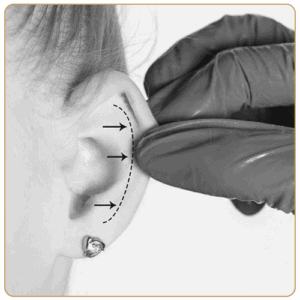
- Carefully placed incisions (often around the ears and sometimes under the chin) with the goal of minimising visible scarring
The exact plan varies based on your anatomy and goals.
Risks and considerations
Neck lifts are generally safe when performed by a qualified surgeon, but all surgery carries risks. Potential risks can include:
- Infection or bleeding
- Scarring
- Temporary changes in skin sensation
- Asymmetry or need for revision in a small number of cases
A thorough consultation is essential to discuss your medical history, goals, and expected outcomes.
Next step: a personalised assessment
If you’re considering a neck lift, the safest way to decide is an in-person assessment where your surgeon evaluates your neck anatomy, skin quality, and lower-face balance, and then recommends the most appropriate approach.
This article is general information and not personal medical advice. If you have concerns about your neck or overall health, please seek an in-person consultation.