

Rhinoplasty London
What is rhinoplasty?
Rhinoplasty is surgery to reshape the nose and, where needed, improve nasal function and breathing. Dr Amir Sadri offers rhinoplasty in London for patients concerned about nasal shape, profile, symmetry, tip definition, width, or structural issues affecting breathing. Every treatment plan is tailored to the induvidual, with a focus on facial balance, function and natural looking results.
Who is rhinoplasty suitable for?
Rhinoplasty is suitable for those who have:
-
concerns about a dorsal hump or bridge profile
-
a drooping, bulbous or poorly defined tip
-
nasal asymmetry or disproportion
-
post-traumatic changes after a broken nose
-
breathing difficulties linked to nasal structure
-
patients considering revision after previous rhinoplasty
What can rhinoplasty address?
Rhinoplasty may be used to improve both appearance and function, depending on the needs of the patient.
-
dorsal hump reduction
-
refinement of a wide or rounded tip
-
improved tip support or projection
-
narrowing of the nasal bridge
-
correction of asymmetry
-
improvement in breathing in selected cases
Related rhinoplasty procedures:
Dr Amir Sadri offers a range of rhinoplasty procedures tailored to different aesthetic and functional needs. Explore the options below to learn more about each type of rhinoplasty
Revision Rhinoplasty
Address concerns after previous surgery
Septorhinoplasty
Improve nasal shape and breathing
Preservation Rhinoplasty
A structure-preserving approach
Ethnic Rhinoplasty
Tailored to induvidual anatomy
Ultrasonic Rhinoplasty
Precise bone reshaping in selected cases
Why choose Dr Amir Sadri for Rhinoplasty in London
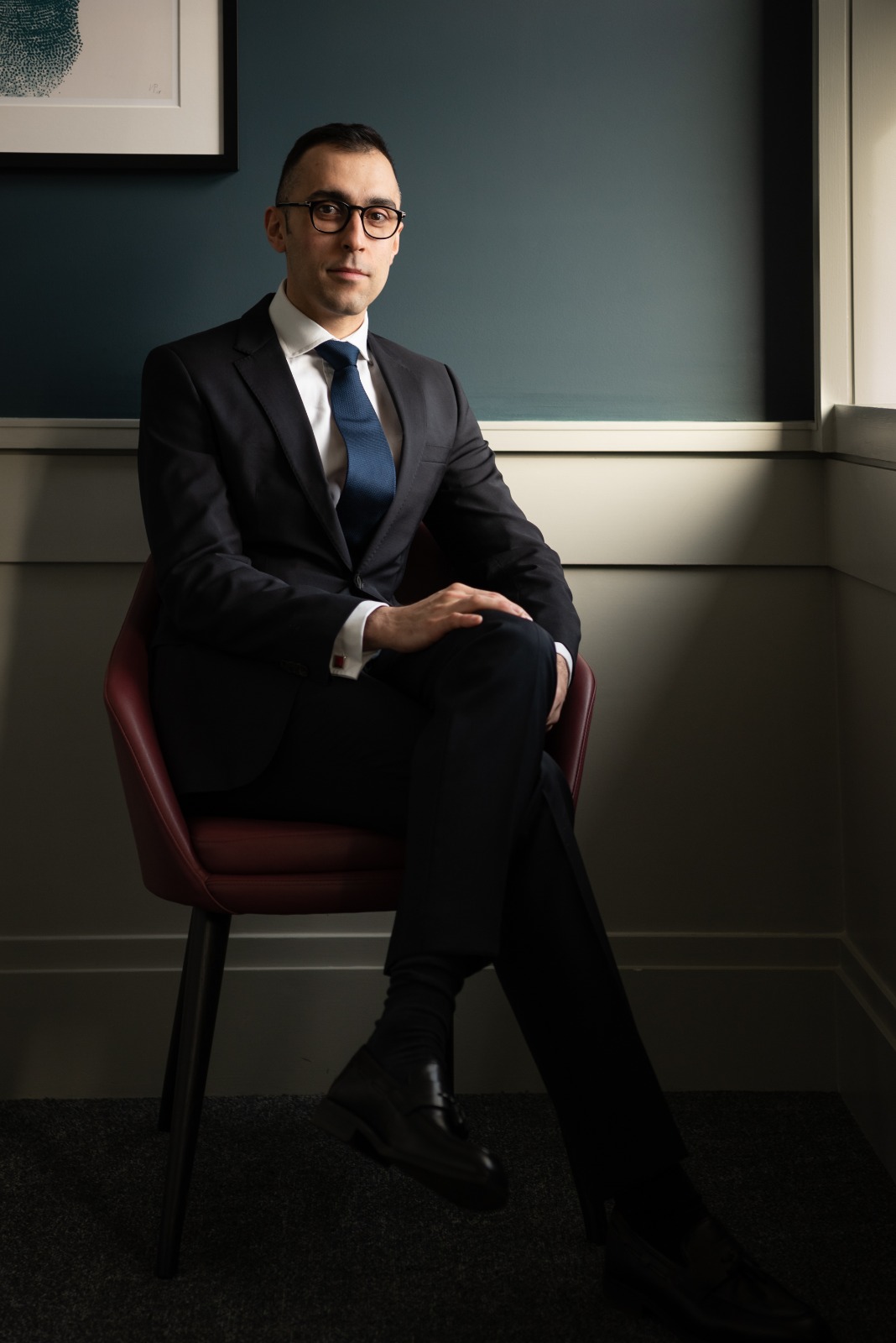
Dr Amir Sadri is a Consultant Plastic Surgeon with a specialist interest in rhinoplasty and facial surgery. He is on the GMC Specialist Register for Plastic Surgery and also holds a consult role at Great Ormond Street Hospital. His approach combines aesthetic planning with careful attention to nasal structure, function and natural-looking results.
- Consultant Plastic Surgeon at Great Ormond Street Hospital
- GMC Specialist Register for Plastic Surgery
- FRCS (Plast) qualified
- 15+ Years’ Experience
- 40+ Peer-reviewed publications
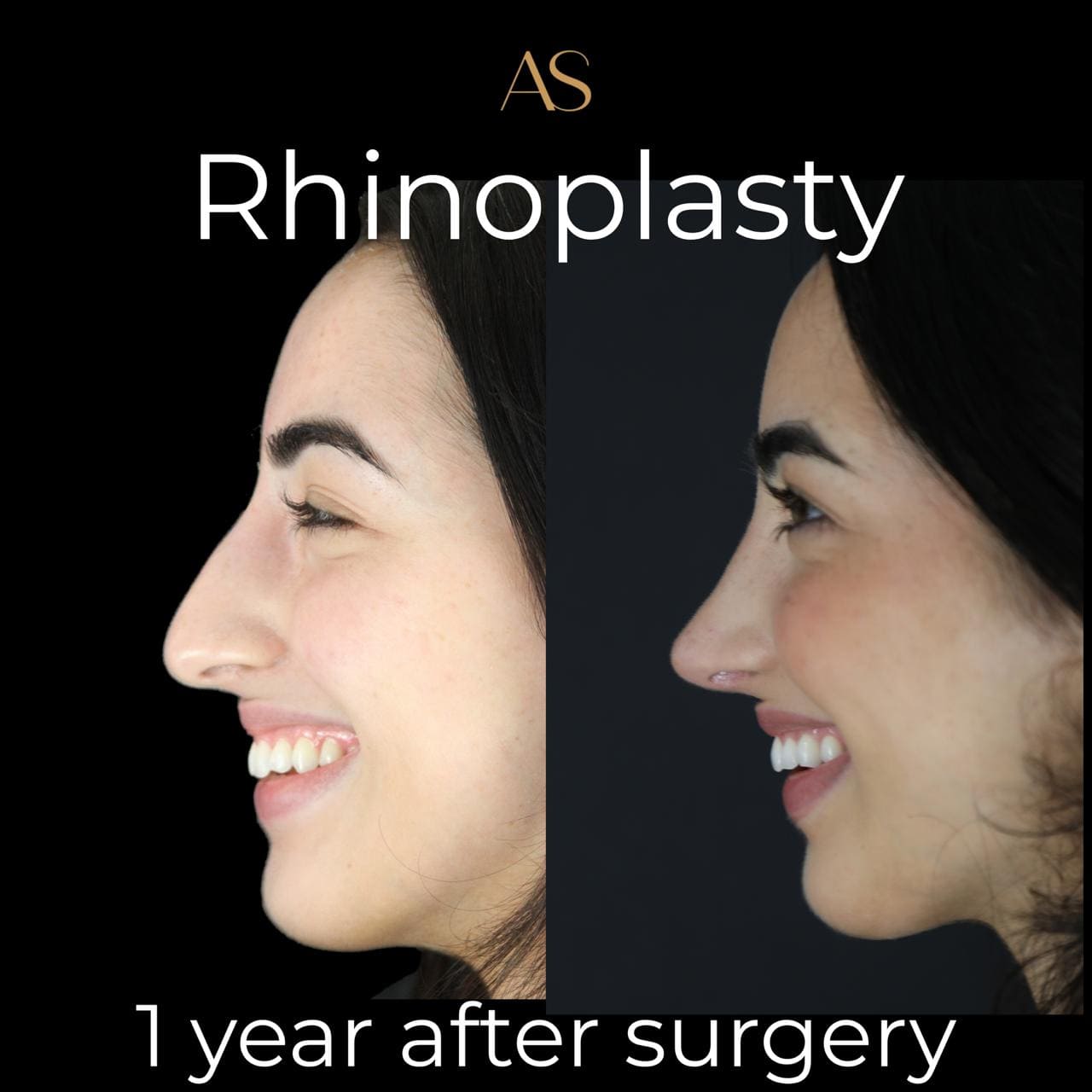
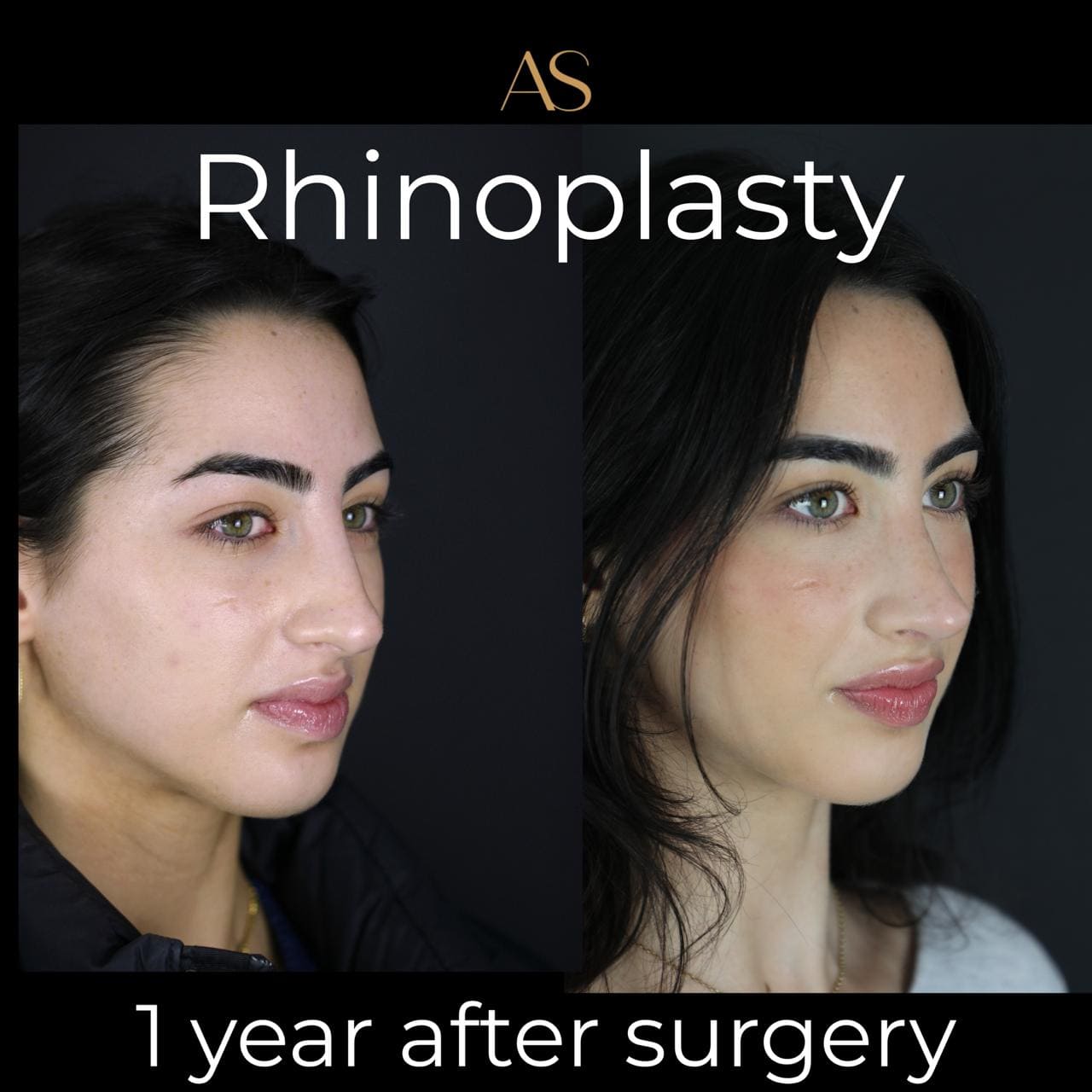
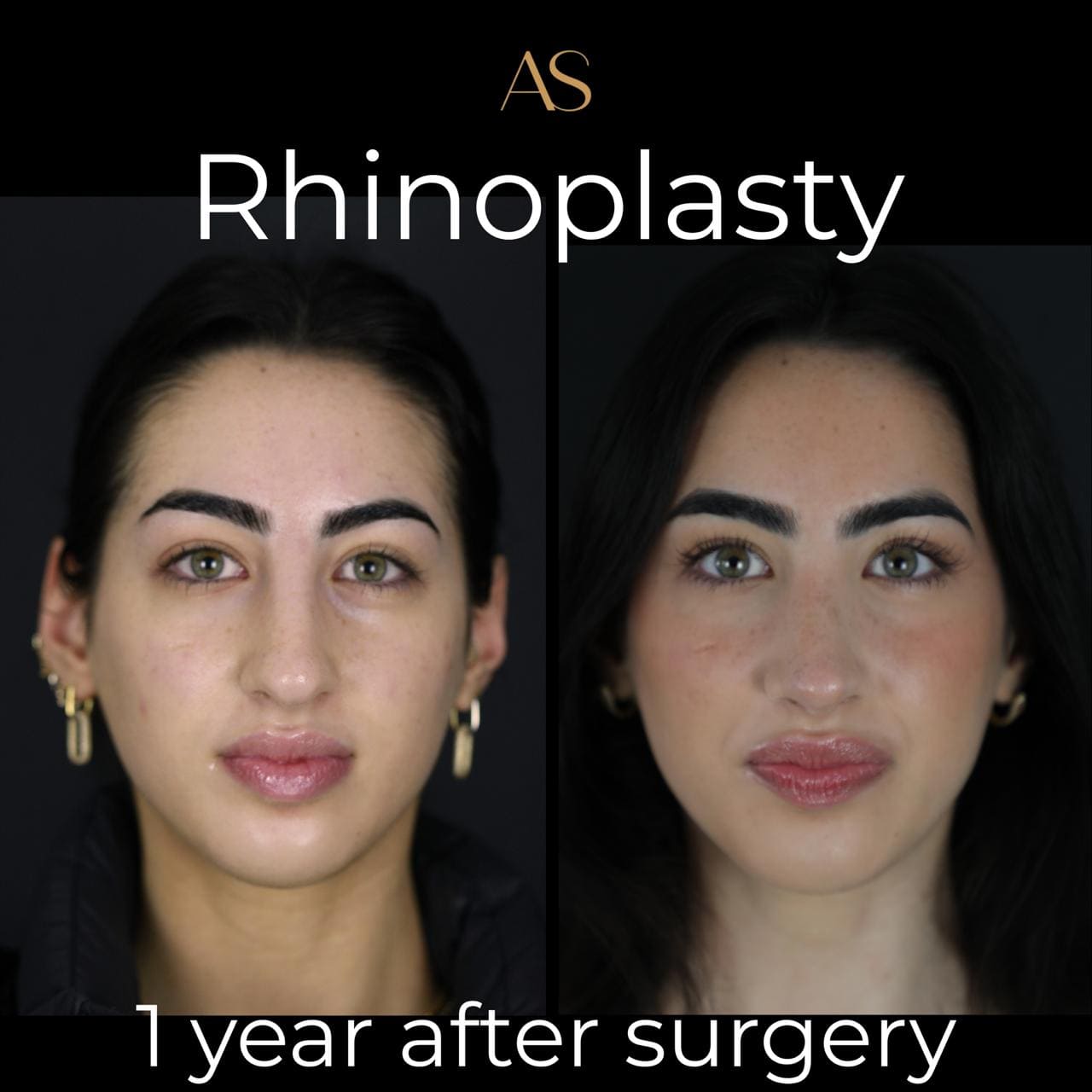
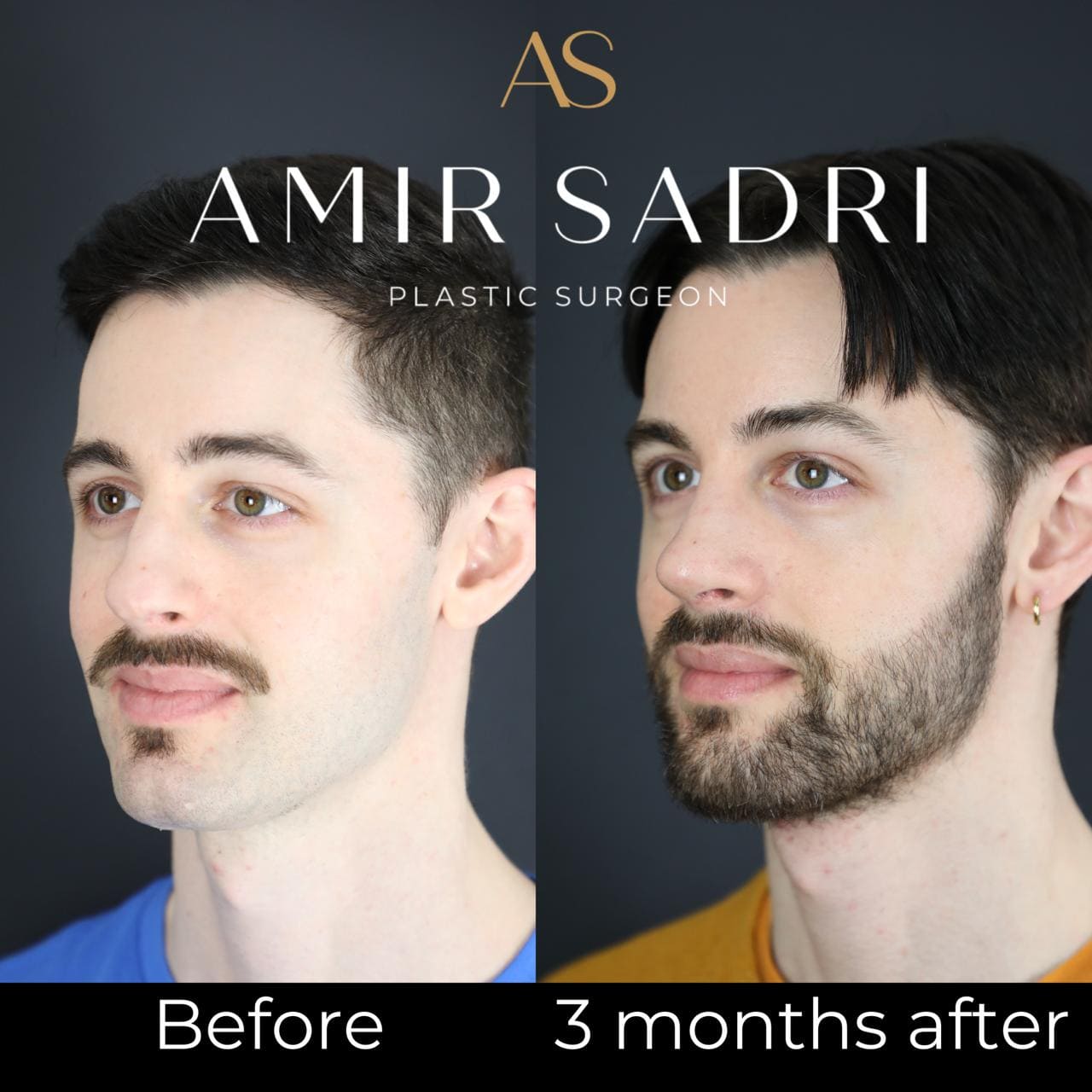
Before & After Rhinoplasty Results


Rhinoplasty Recovery
First 1-2 Weeks:
Swelling, Congestion, Bruising, Splint Period
First Few Weeks:
Return to normal routine depending on recovery
First Few Months:
Visible refinement as swelling settles
Longer term:
Final result develops gradually overtime
Risks and considerations
As with any surgery, rhinoplasty involves a recovery period an potential risks. Suitability, likely results, limitations and aftercare are discussed in detail during consultation so that each patient can make an informed decision.
Your rhinoplasty consultation
Consultation includes discussion of your concerns, facial proportions, nasal structure, breathing where relevant, realistic goals, recovery and whether rhinoplasty, septoplasty or revision rhinoplasty is the most appropriate option.
Rhinoplasty Surgery FAQs
Please click the toggle to learn about the Rhinoplasty process.
What is Rhinoplasty?
Rhinoplasty is a surgical procedure used to change the shape, structure or function of the nose. It may be performed for cosmetic reasons, functional concerns (such as breathing difficulties) or reconstructive purposes after injury or previous surgery.
Can rhinoplasty improve breathing and appearance?
Yes, in some cases rhinoplasty can be combined with techniques to improve nasal function and breathing, particularly if there is a structural issue inside the nose. During your consultation, Dr Amir Sadri will assess both the appearance and function of your nose and discuss the most appropriate approach for your goals.
What concerns can rhinoplasty treat?
Rhinoplasty can be used to address a range of concerns including:
- a bump on the bridge of the nose (dorsal hump)
- a wide nasal bridge
- a drooping, rounded or prominent tip
- nasal asymmetry
- a nose that feels out of proportion with other facial feature
- certain structural issues affecting breathing
Each treatment plan is tailored to the individual patient.
How long does it take to recover from rhinoplasty?
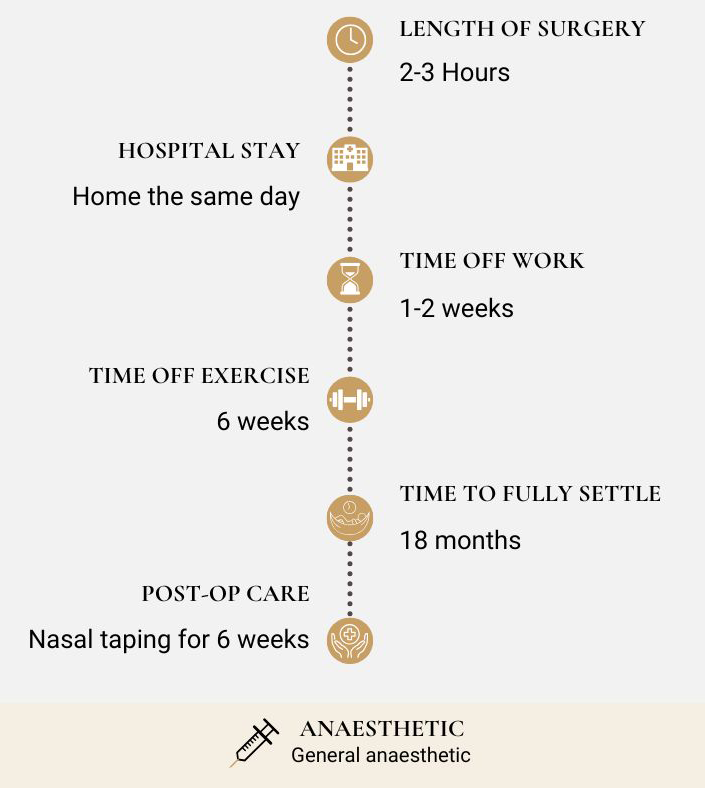
Initial recovery is usually around 1-2 weeks, and many patients return to work or normal daily activities during this period (depending on the procedure and their recovery). Swelling improves gradually over time, and the final results continue to refine over several months
When will I see the final rhinoplasty result?
You will notice changes once the initial swelling settles, but rhinoplasty results continue to improve over time. Most patients see a significant improvement in the first few months, with more refined results developing as swelling gradually resolves.
Will rhinoplasty leave visible scars?
Many rhinoplasty procedures are performed using techniques that leave little to no visible scarring. If an external incision is used, it is usually placed in a discreet area and is designed to heal as neatly as possible. Dr Amir Sadri will explain the surgical approach recommended for your case during your consultation.
Am I a good candidate for rhinoplasty?
You may be a suitable rhinoplasty candidate if:
- you are concerned about the shape or size of your nose
- you have realistic expectations
- your facial growth is complete
- you are in good general health
- you would like to improve nasal appearance, function or both
A consultation is the best way to determine suitability and discuss goals in detail.
What happens during a consultation?
Your rhinoplasty consultation is an opportunity to discuss your concerns, goals, and what you would like to improve about the appearance or function of your nose. Dr Amir Sadri will assess your nose in detail, including its shape, proportions, skin quality, and (where relevant) nasal function and breathing.
During the consultation, you will talk through the treatment options available, what may be realistically achievable, and whether rhinoplasty is the most appropriate procedure for your needs. The discussion may also include recovery, expected results, potential risks, and whether additional procedures (such as septorhinoplasty) may be recommended.
The aim of the consultation is to provide a personalised plan and ensure you feel fully informed before making a decision about surgery. After your consultation, you will be given clear guidance on the next steps, including pricing and how to proceed if you wish to book treatment.
Online Consultation
Arrange a 15-minute call to discuss our treatments and services.