

Cleft rhinoplasty is a specialized surgical procedure designed to correct the nasal deformities that often accompany a cleft lip and palate. More than just a cosmetic surgery, it plays a vital role in improving both the appearance and function of the nose for individuals born with this condition. This procedure is a crucial step in a comprehensive treatment plan, offering significant physical and emotional benefits.
The Challenges of a Cleft Nasal Deformity
Individuals born with a cleft lip and palate face unique challenges. The incomplete formation of the upper lip and roof of the mouth during fetal development also affects the structure of the nose. This typically results in a flattened and widened nasal tip, an asymmetrical appearance of the nostrils, and a deviated septum—the wall of cartilage that divides the two nasal passages.
These structural issues are not just aesthetic. A deviated septum and misshapen nostrils can lead to significant functional problems, including chronic nasal obstruction, difficulty breathing, and recurrent sinus infections. For many, these challenges can impact everything from sleep quality to the ability to exercise comfortably.
Addressing Both Aesthetics and Function
Cleft rhinoplasty is designed to address these dual concerns. From an aesthetic standpoint, the surgeon aims to create a more symmetric, balanced, and natural-looking nose that harmonizes with the rest of the facial features. This involves reshaping cartilage, repositioning tissues, and achieving better nostril alignment.
Functionally, the procedure focuses on correcting the internal nasal structure. By straightening the septum (a procedure known as septoplasty) and opening the nasal passages, the surgeon can improve airflow significantly. This helps patients breathe more easily through their nose, providing relief from a lifetime of obstruction and related health issues.
The Surgical Process and Modern Advancements
The timing of cleft rhinoplasty can vary. It may be performed during the initial cleft lip repair in infancy, or it may be delayed until the teenage years when facial growth is nearly complete. This decision depends on the individual’s specific anatomy and the surgeon’s recommended approach.
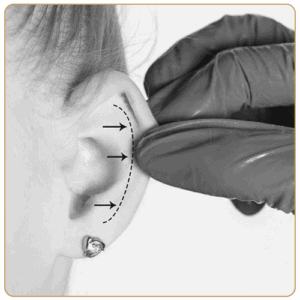
The surgery itself is a complex art. Surgeons often use an “open” technique, which allows for better visibility and precise reshaping of the nasal tip cartilages. Advanced techniques involve using cartilage grafts, often taken from the septum, ear, or rib, to provide support and create a more defined nasal structure. These advancements have greatly improved the predictability and long-term success of the outcomes.
A Transformative Impact
The results of cleft rhinoplasty can be truly life-changing. By restoring both form and function, the surgery helps patients feel more confident in their appearance and enjoy the simple act of breathing freely. It marks a significant milestone in their journey, empowering them with a renewed sense of self and improved quality of life. This procedure is a powerful example of how reconstructive surgery can profoundly enhance both physical health and emotional well-being.