

There comes a moment for many of us when we look in the mirror and don’t quite recognize the energy we feel on the inside reflecting back at us. You might have had a full eight hours of sleep, drank plenty of water, and still, people ask, “Are you tired?” or “Is everything okay?”
Heavy, drooping eyelids or puffy bags under the eyes often convey fatigue or sadness, even when you feel vibrant and awake. This disconnect between how you feel and how you look can slowly chip away at your confidence. Fortunately, aesthetic medicine offers a solution that is both effective and long-lasting: blepharoplasty, commonly known as eyelid surgery.
This procedure targets the specific signs of aging around the eyes to restore a brighter, more alert appearance. Let’s break down exactly what this surgery entails and how it might be the refresh button you’ve been looking for.
What Is Blepharoplasty?
Blepharoplasty is a surgical procedure designed to improve the appearance of the eyelids. It can be performed on the upper lids, the lower lids, or both, depending on your unique facial structure and goals.
As we age, our skin loses elasticity. The muscles supporting our eyelids weaken, allowing excess fat to gather above and below the eyelids. This causes sagging eyebrows, drooping upper lids, and bags under the eyes. Eyelid surgery addresses these issues directly by removing or repositioning excess skin, muscle, and fat.
Upper Eyelid Surgery: Lifting the Heaviness
Upper blepharoplasty focuses primarily on the fold of the eye. When skin on the upper lid becomes loose, it creates a hooding effect. In severe cases, this excess skin can even hang over the eyelashes and obstruct peripheral vision.
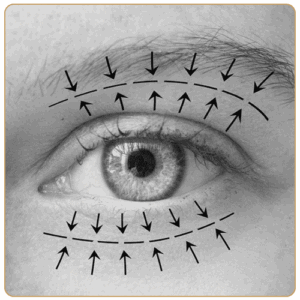
During this procedure, the surgeon makes an incision along the natural crease of the eyelid. Through this opening, they remove excess skin and sometimes a small amount of fat. Because the incision is hidden within the natural fold of the eye, scarring is typically minimal and well-concealed.
Who benefits most?
- Individuals with “hooded” eyes that make them look angry or sleepy.
- Anyone struggling with applying eye makeup due to loose skin.
- Patients whose vision is impaired by sagging eyelid skin.
Lower Eyelid Surgery: Banish the Bags
Lower blepharoplasty targets the area beneath the eye. While the upper lid usually struggles with loose skin, the lower lid often deals with puffiness and “bags.” These bags are typically caused by herniated fat pads that push forward as the tissue structures weaken.
Surgeons can approach this in two ways. They might make an incision just below the lash line to remove excess skin, or they might make an incision inside the lower lid (a transconjunctival incision) to remove or redistribute fat without any visible external scar.
Who benefits most?
- People with chronic under-eye bags that don’t go away with sleep.
- Those with fine, crepey wrinkles and excess skin beneath the eyes.
- Individuals wanting to smooth the transition between the lower eyelid and cheek.
The Results: A Refreshed Perspective
The goal of eyelid surgery isn’t to make you look like a different person; it’s to make you look like a well-rested version of yourself.
Recovery is generally quicker than other facial surgeries. Most patients feel ready to return to public settings within 10 to 14 days, once bruising and swelling subside. The results are long-lasting, often turning back the clock by years.
By opening up the eyes and smoothing the surrounding contours, blepharoplasty does more than just fix “tired eyes.” It rejuvenates your entire face. When you look in the mirror and see bright, alert eyes staring back, it changes how you carry yourself. It’s not just about vanity; it’s about ensuring your outer appearance matches your inner vitality.