


As a parent, you want your child to feel confident and happy. Sometimes, physical traits can affect a child’s self-esteem, especially if they lead to teasing from peers. Prominent or misshapen ears are a common reason for this. If you’ve noticed your child is self-conscious about their ears, you may have considered ear correction surgery, also known as otoplasty. This guide offers a clear overview of what you should know.
What is Otoplasty?
Otoplasty is a surgical procedure designed to change the shape, position, or size of the ears. It’s often performed on children whose ears stick out more than usual, but it can also correct ears that are asymmetrical, overly large, or have an unusual shape due to injury or a birth defect. The goal is to create a more natural appearance, helping the ears blend harmoniously with the rest of the face.
Is It Right for My Child?
Parents often consider otoplasty to help boost their child’s confidence and prevent potential bullying. The decision is a personal one, but it can provide significant emotional benefits. The ideal time for the procedure is typically between the ages of five and seven. By this age, the ears have reached about 90% of their adult size, making the surgical results stable. Also, children are old enough to understand and cooperate but young enough to avoid years of potential teasing at school.
What Does the Surgery Involve?
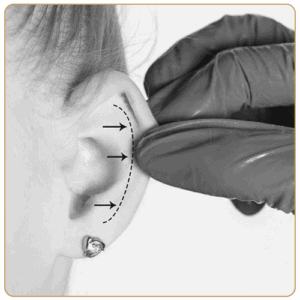
Otoplasty is a safe and well-established procedure. A surgeon makes a small incision behind the ear to access the cartilage. They will then reshape or remove a small amount of cartilage and use permanent internal stitches to hold the ear in its new, closer position to the head. The external incision is then closed with dissolvable stitches. The surgery usually takes about one to two hours and is performed under general anesthesia for young children.
Understanding the Recovery Process
Recovery is typically straightforward. Your child will wear a soft, protective headband over their ears for a few days to protect them as they heal. After this initial dressing is removed, they will need to wear a lighter headband at night for several weeks to prevent the ears from being pulled forward during sleep.
Some swelling and bruising are normal, but discomfort is usually mild and can be managed with over-the-counter pain relief. Most children can return to school within a week, though they should avoid sports and strenuous activities for about a month. The scar behind the ear is hidden in a natural crease and fades significantly over time.
Preparing Your Child
Open communication is key. Talk to your child in simple, positive terms about what to expect. Explain that the surgery will help their ears look the way they want them to. Involving them in the decision-making process can empower them and reduce anxiety. Choosing a qualified, experienced surgeon like Dr. Amir Sadri who works well with children is also crucial. Dr. Amir Sadri will answer all your questions and help both you and your child feel comfortable and prepared.
By addressing prominent ears early, otoplasty can offer a lasting boost to a child’s self-image, allowing them to grow up without the weight of self-consciousness.